Author: Sandra Ewing

  • Why Raccoons Are So Clever

    Why Raccoons Are So Clever

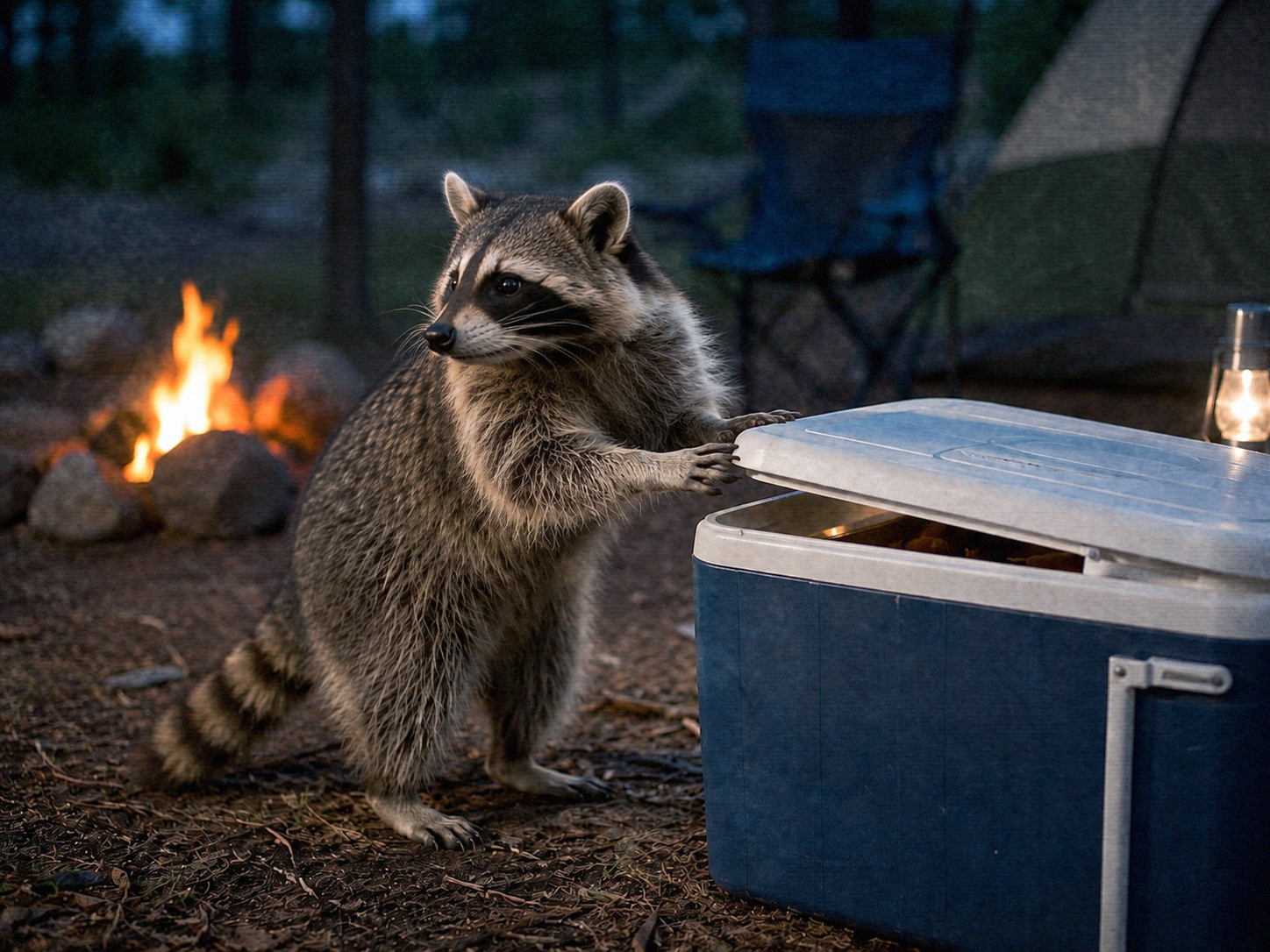
    Raccoons have a reputation for getting into things, and they’ve earned it. If you’ve ever left a cooler unattended at a campsite, you’ve probably seen what they can do. By morning, the lid is open, and the food is gone, somehow worked loose by a pair of nimble paws. Scientists have learned that raccoons really are skilled problem-solvers, which helps explain those late-night raids.

    Why Raccoons Solve Problems So Well

    Raccoons have remarkably dexterous front paws. Their forepaws contain many touch-sensitive nerves that help them feel, turn, lift, and examine objects with surprising precision. Combined with an excellent memory and plenty of persistence, those paws make raccoons very good at handling and exploring objects.

    Researchers have found that raccoons can open many kinds of latches and locking devices, even ones that require several steps. Once they learn how something works, they often remember the solution for a long time.

    That’s why raccoons are so good at getting into trash cans, coolers, sheds, and other places people think are secure. They’re curious, and they have the skills to satisfy that curiosity.

    Learning by Trying Again

    Raccoons solve problems in a simple yet effective way. They don’t depend only on instinct. They try one approach, see what happens, adjust, and try again.

    This kind of learning helps raccoons do well in neighborhoods and other places people have built. As cities and suburbs have expanded into raccoon habitat, raccoons have adapted. They use the same skills that help them search for food in the forest to climb fences, explore porches, open sheds, and investigate locked trash bins.

    What We Can Learn from Raccoons

    Raccoons show what persistence looks like. If one attempt to open a latch doesn’t work, they try another. They remember what worked before and use that experience the next time they face a challenge. They approach the world one puzzle at a time.

    Watching a raccoon keep trying until it succeeds is impressive. Raccoons are one reminder that many animals solve problems in surprising ways. Their intelligence shows up every time they use those nimble paws, their striped tails swaying behind them as they figure out one more challenge.

    The next time you catch a raccoon outsmarting your trash can lid, give it a little credit. Those clever paws and that sharp mind have been helping raccoons solve problems for millions of years.


    Meet Dad and Cal, the raccoon pair at the heart of One More Thing, Dad! (Promise!), where bedtime is never as simple as it sounds.
  • The Secret Behind the Raccoon’s Famous Face

    The Secret Behind the Raccoon’s Famous Face

    There’s a little creature prowling through neighborhoods, forests, and wetlands across North America, and it looks dressed for a heist.

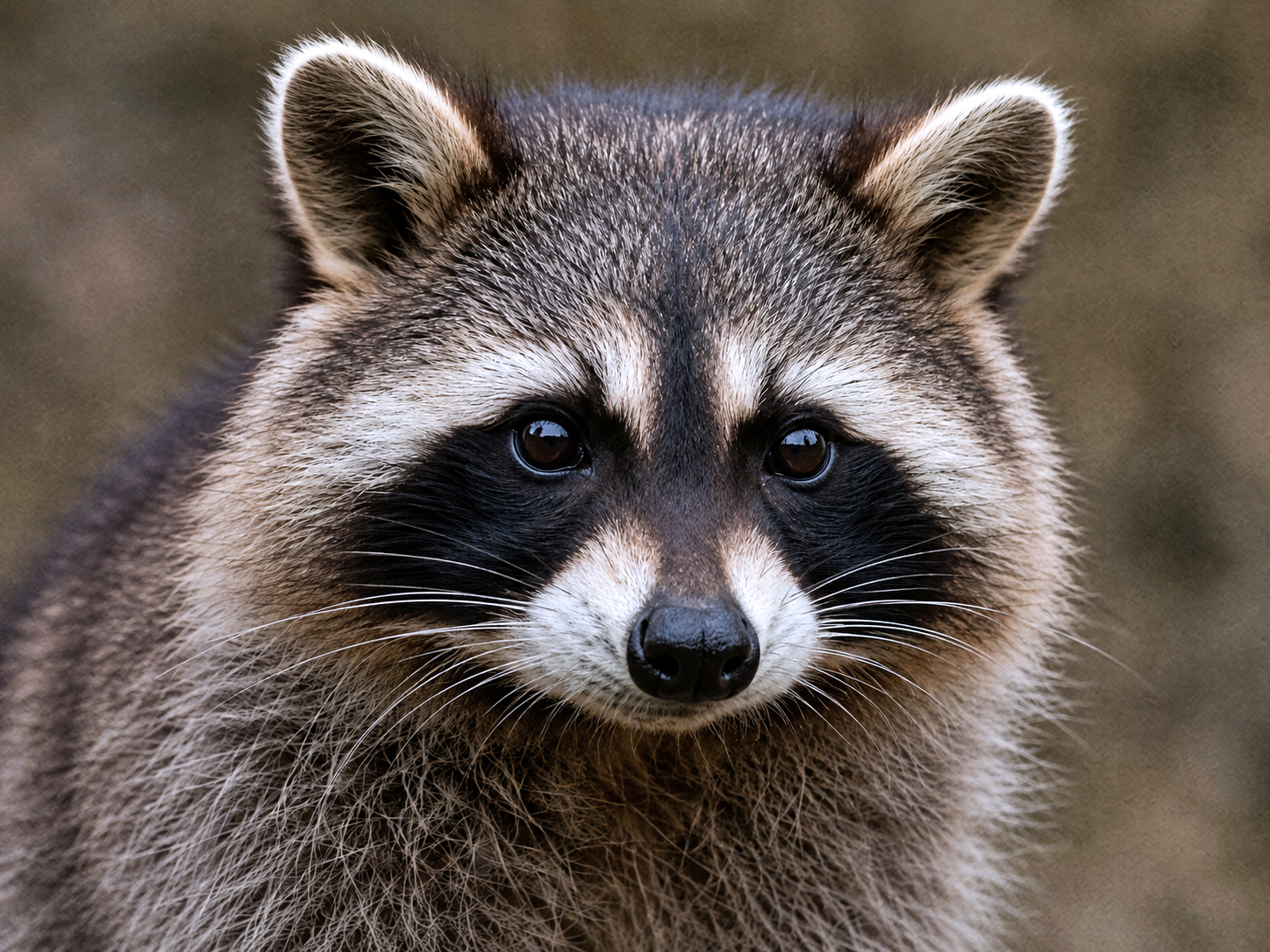
    With a stripe of dark fur sweeping across its eyes like a tiny superhero mask, the raccoon is one of the most recognizable animals in the wild. We call it the masked bandit, the trash panda, the masked marauder, but that famous face isn’t just for show.

    So what is the mask for?

    Night Vision Advantage

    Raccoons are mostly nocturnal, which means much of their foraging and exploring happens after dark.

    Scientists believe the dark fur around a raccoon’s eyes helps absorb light and reduce glare, much like athletes wear black eye paint under stadium lights. For a raccoon, glare might come from moonlight, streetlights, water, or other shiny surfaces.

    A Cloak of Shadows

    The mask also helps with camouflage.

    When a raccoon hides under a bush or peeks from a tree hollow, its dark markings help break up its face’s outline. Instead of one clear round shape, a predator or prey animal sees patches of light and dark.

    The mask makes it a little easier for the raccoon to disappear into its surroundings.

    I Know That Face

    That bold facial pattern may help raccoons notice and distinguish one another’s faces.

    To our eyes, raccoons often look alike, but their masks vary in shape, width, and shading, giving each animal a slightly different appearance. Researchers think these subtle mask differences could play a role in how raccoons recognize and respond to one another.

    A Tiny Bandit in the Making

    Raccoon kits are born tiny, with their eyes closed, and depend on their mother for food, warmth, and protection until they are old enough to explore on their own. As they grow during their first weeks of life, their famous mask and ringed tail become darker and more distinct.

    Before long, a tiny masked face is peering out from the den.

    The Bandit Who Earns Its Name

    The raccoon didn’t choose its look. Evolution slowly shaped features that help these adaptable animals survive, see in the dark, hide from danger, and find their way.

    What looks to us like a disguise may actually be a useful survival tool.

    Next time you spot a raccoon peering from behind a fence or investigating your recycling bin with those busy, dexterous paws, take a moment to appreciate what you’re seeing: one of nature’s most resourceful and resilient wild neighbors.

    Masked and curious.

    That’s the raccoon.


    Meet Dad and Cal, the raccoon pair at the heart of One More Thing, Dad! (Promise!), where bedtime is never as simple as it sounds.

  • Miami’s Secret Island Where Raccoons Rule the Bay

    Miami’s Secret Island Where Raccoons Rule the Bay

    Tucked just beyond the bright skyline of Miami lies a small green island where mangroves grow thick, birds call overhead, and wild raccoons climb through the branches like little masked acrobats.

    Most people come to Miami for its beaches, art, architecture, and food. But in northern Biscayne Bay, there is another kind of wonder: Sandspur Island, also known as Raccoon Island or Beer Can Island. It is a tiny island with a big personality, and it feels like a hidden piece of Florida.

    A Wild Place in the Water

    Sandspur Island is a 15-acre spoil island, shaped long ago from material dredged out of the bay. Today, Oleta River State Park includes Sandspur Island.

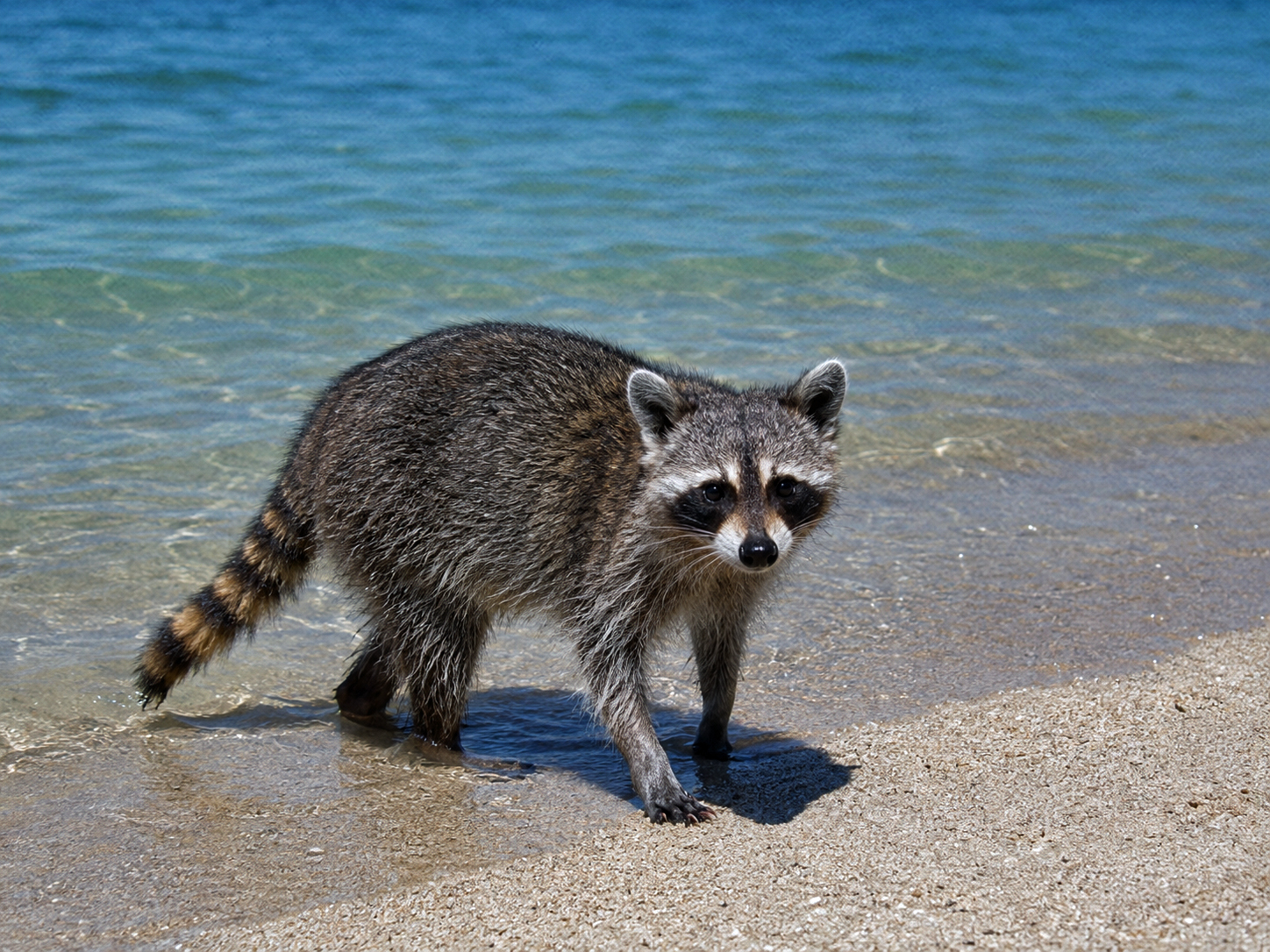
    Over time, mangroves took root in the shallow water and turned the island into a shelter for wildlife. Birds nest in the branches. Crabs scuttle along the mud. Fish flash beneath the surface. And the raccoons, with their bright eyes and ringed tails, became the island’s most famous residents.

    No one knows exactly how the raccoons first arrived. Some believe they may have reached the island on floating debris after Hurricane Andrew struck in 1992. Others think they swam across the bay, or that people brought them there. However, they came; they found a home.

    Nature Close to the City

    What makes the island so special is the contrast. The Miami skyline may be visible in the distance, yet the island itself feels hushed, green, and alive.

    Children may spot pelicans gliding low over the bay, herons standing like statues in the shallows, or fiddler crabs waving tiny claws along the shore. With patience and a little luck, a raccoon may peek from the leaves, watching with curious dark eyes before slipping back into the trees.

    It feels magical, but it is also very real. This is a living habitat, full of animals that depend on the island’s delicate balance of water and shelter.

    Aerial satellite view of Sandspur Island, also labeled Raccoon Island Miami, surrounded by turquoise water in Biscayne Bay.

    Visiting with Care

    Families can reach Raccoon Island by kayak, paddleboard, private boat, or guided tour. Oleta River State Park is a popular launching point for paddlers. Early morning and late afternoon offer the best light and the best chances to see wildlife.

    The best visits are calm and respectful. Children can learn a simple but important rule: watch wild animals from a distance and never feed them. Feeding raccoons may seem kind, but it can harm both the animals and the people around them. Wild animals are safest when they stay wild.

    A Small Island to Remember

    Raccoon Island reminds us that nature can thrive even at the edge of a busy city. Between the mangroves and the rippling water, there is an entire world of life to notice.

    For children, it can feel like discovering a secret. For parents, it is a chance to share that wild places are precious, and the best way to love them is to protect them.


    Meet Dad and Cal, the raccoon pair at the heart of One More Thing, Dad! (Promise!), where bedtime is never as simple as it sounds.

  • How Sea Otters Became Nature’s Adorable Engineers

    How Sea Otters Became Nature’s Adorable Engineers

    The ocean’s fluffiest engineers, devoted mothers, and surprisingly ruthless foodies, all in one adorable package.

    They Stay Close While They Sleep

    Sea otters sleep floating on their backs on the ocean surface, often staying in contact with other otters, kelp, or seagrass so they don’t drift away in the current. Resting otters form groups called rafts, which can sometimes include dozens or even hundreds of otters. Mothers may also anchor themselves or wrap their pups in kelp while they dive for food.

    They Have the Densest Fur of Any Mammal on Earth

    Unlike seals or whales, sea otters have little to no blubber to keep them warm in the cold Pacific waters. Instead, they rely on extraordinarily dense fur, with up to about one million hairs per square inch. They groom constantly to keep that fur clean, fluffy, waterproof, and insulating.

    Sea Otters Are a Keystone Species

    Sea otters are a keystone species because they eat sea urchins and other invertebrates, helping protect kelp forests from overgrazing. When otters thrive, kelp forests and other near-shore habitats can flourish, providing shelter, food, and nursery space for many species.

    They’re Expert Tool Users

    Sea otters are among the few mammals known to use tools. Floating on their backs, they use rocks as hammers or anvils to crack open hard-shelled prey such as clams, mussels, crabs, and abalone. They can also tuck food or tools into loose skin pouches under their forelimbs while foraging. Young otters learn many survival skills by observing their mothers.

    They Must Eat Up to 30% of Their Body Weight Every Single Day

    Because sea otters burn enormous amounts of energy staying warm in cold water, they have a ferocious metabolism. An adult otter weighing 60 pounds may need to eat about 15 to 18 pounds of food daily. They spend many hours foraging just to keep up.

    Otter Moms Are Incredibly Devoted

    Sea otter pups cannot dive when they are born. Their fluffy natal coat traps so much air that the pup floats like a cork and cannot swim or dive effectively on its own. For the first several weeks, the mother often carries her pup on her chest while floating on her back, grooming its fur constantly to keep it clean, insulated, and buoyant. The pair may remain together for six to eight months, during which the mother teaches her pup to swim, dive, forage, and eventually fend for itself.

    Hunters Nearly Drove Them to Extinction for Their Fur

    The same extraordinary fur that keeps sea otters alive nearly doomed them. During the fur trade of the 18th and 19th centuries, hunters reduced sea otter numbers to fewer than 2,000 animals worldwide. International protection helped sea otters recover, though some populations remain threatened or depleted today.

    Their Back Feet Are Like Built-In Flippers

    Sea otters are built for the water. Their large, webbed hind feet allow for powerful swimming and agile maneuvering. Combined with a flexible body and flattened tail, they can spin and maneuver underwater with surprising agility for such a stocky animal.

    Their Whiskers Are Precision Sensory Instruments

    Sea otters frequently search for food in areas with poor visibility. Their sensitive whiskers and paws help them locate prey by touch in murky water, where sight is less reliable. They can often feel their dinner before they see it.

    They Can Spend Nearly Their Entire Lives at Sea

    Unlike river otters, sea otters are so adapted to ocean life that they spend most of their time in the water. They eat, sleep, groom, nurse their young, and rest afloat. Occasionally, they haul out onto rocks or beaches, but they are far more ocean-adapted than their river-dwelling relatives.